
Summer 2026 has been a scorcher in more ways than one. Between the heatwaves and the World Cup heartbreaks, what have the ECI team been reading when they haven’t been spending their time ferrying tower fans from room to room or trying to stay awake past the second-half whistle…
Mia Smith
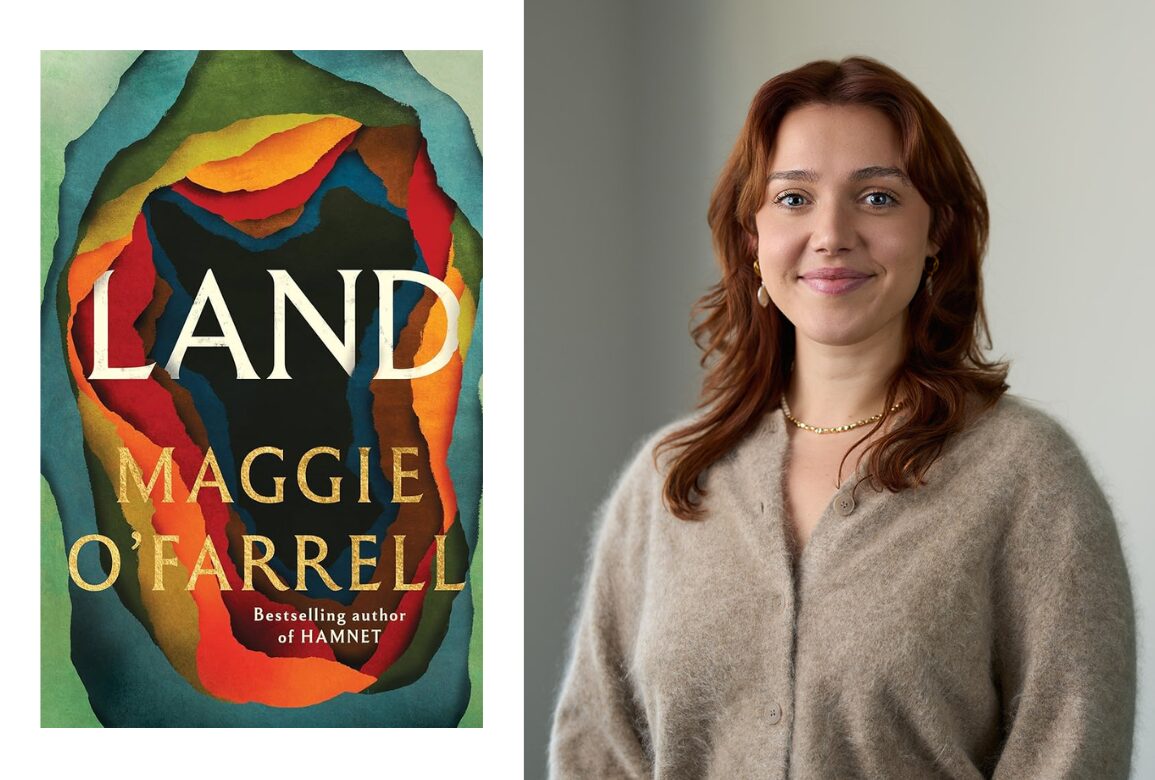
Land by Maggie O’Farrell
Land is a beautiful, sweeping novel set in the aftermath of the Irish potato famine, following one family across generations and continents as they are drawn back, again and again, to the same patch of remote Irish ground. At its heart are questions of home and identity, and the indescribable pull back to a place that is bleak yet somehow impossible to leave behind. A thread of magic and Irish folklore runs through it, but nothing ever feels far-fetched. I’ve read reviews that complain of it being too descriptive, but I personally loved the level of detail O’Farrell offers when describing the wild and rugged landscape, which feels less like a setting than a character in its own right. I hope this, like Hamnet, is adapted into a film – ideally also with Jessie Buckley in the lead role!
Jeremy Lytle
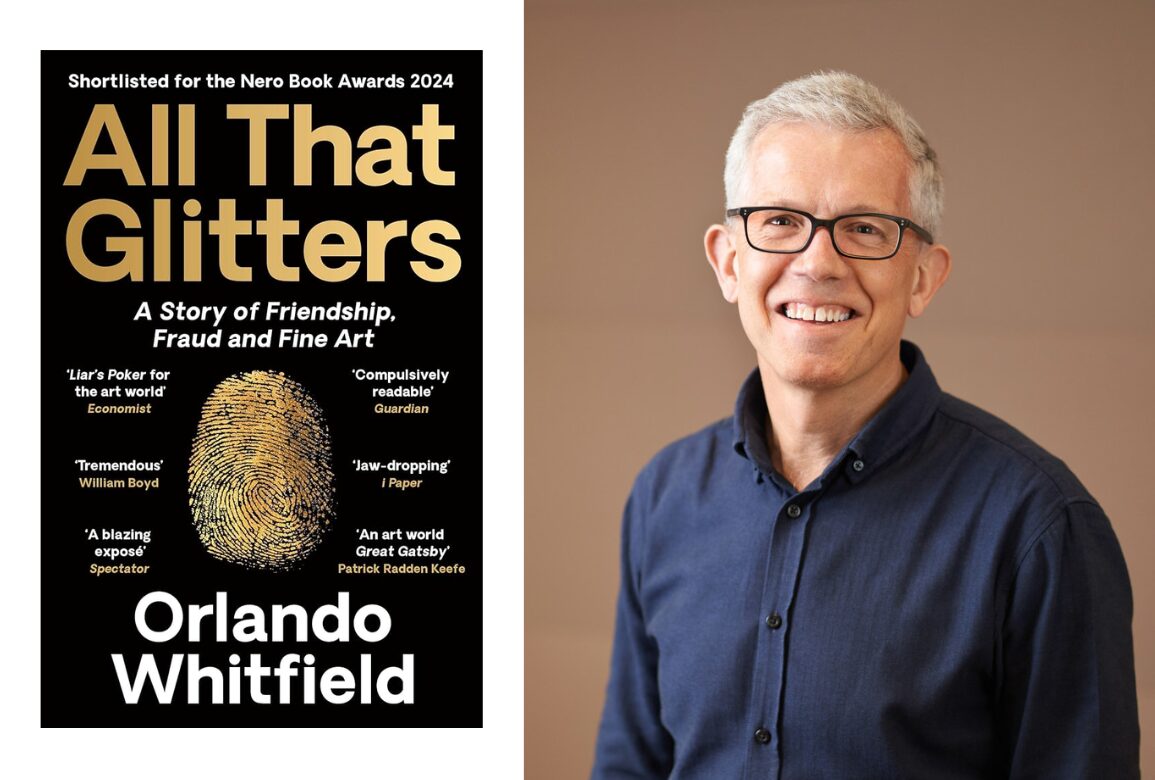
All That Glitters: A Story of Friendship, Fraud, and Fine Art, by Orlando Whitfield
If you are even vaguely interested in the art world I’d recommend this book. It’s a memoir of friendship but also betrayal at the heights of the contemporary art world. Whitfield met Inigo Philbrick when they were at Goldsmiths together, and while Whitfield’s own dealing career didn’t get anywhere, Philbrick went on to dizzying success, trading multimillion-dollar art works before pulling off the biggest art fraud in history. Whitfield uses his insider eye to show an industry that runs mostly on charm and with barely any regulation – a far cry from the world of the FCA. It’s this combination that means dazzling brilliance can cover a whole manner of sins. Part true-crime thriller, part an ode to a lost friendship.
Faye Maughan
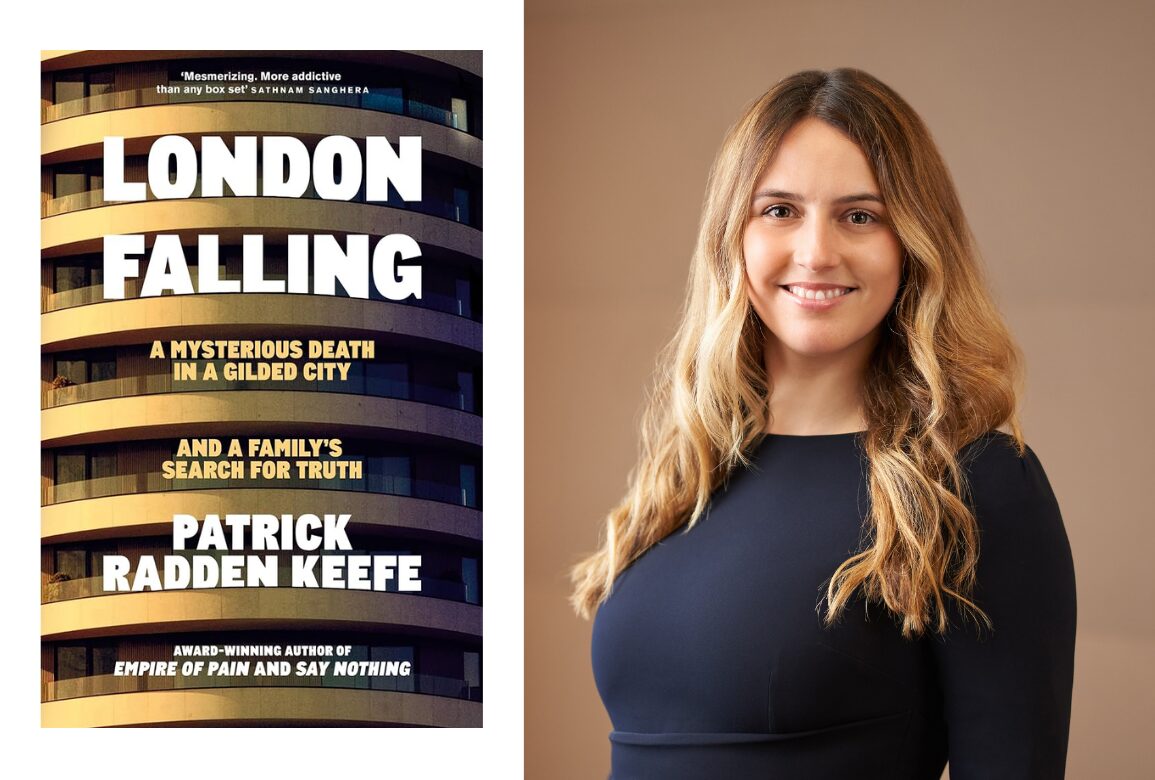
London Falling by Patrick Radden Keefe
Patrick Radden Keefe picks up on the story of a 19-year-old boy who fell to his death from the balcony of a luxury apartment overlooking the Thames. His grieving parents discover that he’d been living a double life, posing as the heir to a Russian oligarch’s fortune and moving into the orbit of dangerous people. In what’s already a fascinating story, Radden Keefe uses his journalistic skills sensitively, digging into the background of a young man who emerged from his school years and very quickly became out of his depth. It’s gripping, with an amazing pace, and raises questions about a criminal side of London that most people are happy to ignore. This book would not be as good as it is without the role played by his parents and their desperate search for answers.

Jeroen Sibia
Discussion Materials by Bill Keenan
Keenan’s memoir charts his stumble from student athlete into life as a junior banker. It is a gloriously unglamorous account of life as a junior on the sell-side: the all-nighters, the endless reformatting of decks, the slow dawning that being brilliant at one thing prepares you for absolutely nothing about the next. Having come up the same way, I found it all very familiar, not least the special despair of an MD who wants the deck to “pop” at 2am. The bankers we work alongside every day are the ones who lived through that grind and came out sharper for it, and the best of them make a genuinely hard job look effortless. Keenan is wonderful on the small indignities and left me with a real affection for anyone who survives it all and still, somehow, cheerfully returns your call at ten on a Friday night.

Scarlett Salamon
Lessons in Chemistry by Bonnie Garmus
I really enjoyed Lessons in Chemistry, which follows the indomitable Elizabeth Zott as she pursues her passion for chemistry in 1960s America and faces constant adversity navigating a male-dominated environment. Her colleagues find it simply unfathomable that a woman could be capable of advancing science. When she is fired from her research position, Elizabeth is thrust into a career she never expected: hosting a cooking show. Through this unlikely platform, she empowers women across the country, teaching them the chemistry behind cooking and spreading the message that women are capable of doing what they want, not simply what society expects of them.
The book delivers a poignant message about the progress made towards equality and challenges the reader to reflect on the work still to be done. Elizabeth’s tenacity is admirable and her refusal to accept the limitations placed on her sets an example that resonates far beyond the world of science.
